Guatemala: history in brief
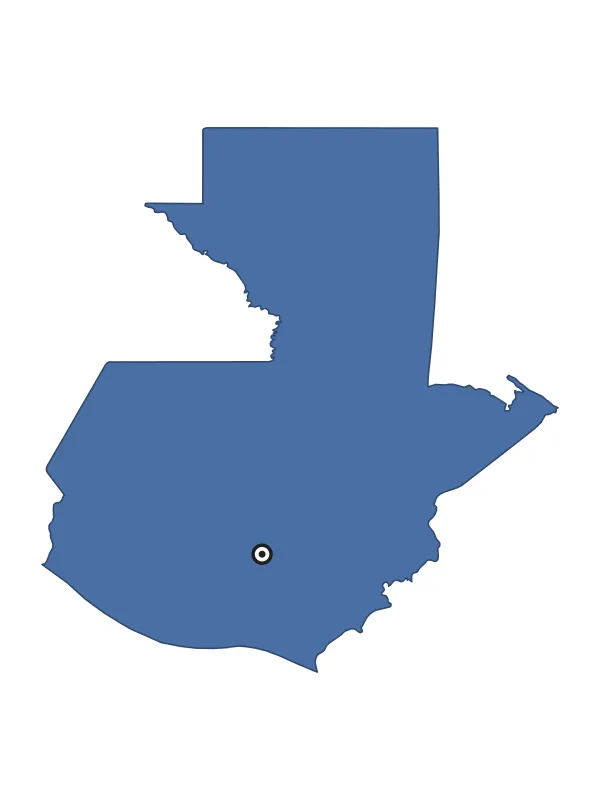
The heart of the Maya world, home to the pyramids of Tikal, where descendants of the Maya still speak over twenty Mayan languages.
Test yourself
Which came first?
History in brief
Ancient world By the 3rd century BC El Mirador had risen in the Petén jungle, with La Danta, one of the world's largest pyramids by volume. In the first centuries AD Tikal grew into one of the leading Maya cities.
Middle Ages Tikal flourished in the 7th–8th centuries, its temples rising 65 m above the forest. After the 9th century the lowland cities emptied, and the K'iche' and Kaqchikel kingdoms rose in the highlands, keepers of the Popol Vuh epic.
Early modern & modern era In 1524 Pedro de Alvarado conquered the highland kingdoms. After the 1773 earthquake the colonial capital, Santiago (today's Antigua Guatemala), moved to a new city. On 15 September 1821 the independence of Central America was proclaimed here.
Contemporary era In 1967 Miguel Ángel Asturias won the Nobel Prize in Literature. In 1977 Tikal's temples appeared in Star Wars, and in 1979 Tikal and Antigua joined the UNESCO list.
Interesting facts
- Temple IV at Tikal, about 65 m high, is one of the tallest structures of the pre-Columbian Americas.
- The Maya were among the first in the world to use zero in counting and calendars.
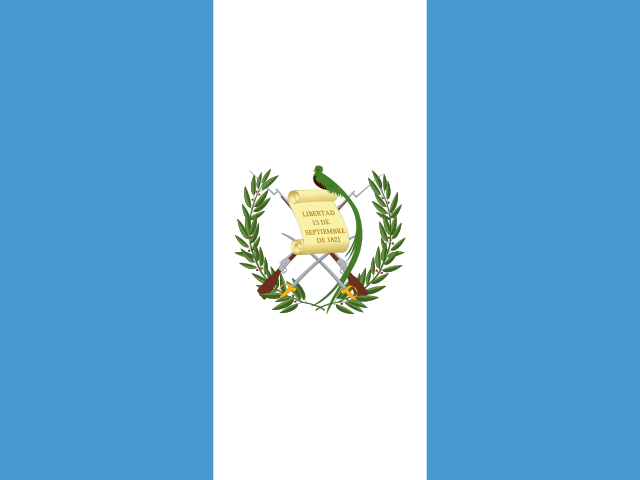
- Guatemala's flag shows the quetzal bird, a symbol of freedom, which also gives the currency its name.
- The Maya made cacao drinks long before Europeans, and cacao beans also served them as money.
- The Popol Vuh was written down in K'iche' in Latin letters in the 16th century; in the early 1700s the friar Francisco Ximénez copied it.
Key moments
- 292Stela 29 erected at TikalCarved with a Long Count date, it was long considered the oldest dated monument of the lowland Maya.
5 questions of the day Where was it? Timeline
Eras
- Ancient worldbefore 476 · 178 events
- Middle Ages476–1491 · 206 events
- Early modern & modern era1492–1913 · 251 events
- Contemporary era1914 onwards · 217 events
History of countries
 Afghanistan
 Albania
 Algeria
 Andorra
 Angola
 Antigua and Barbuda
 Argentina
 Armenia
 Australia
 Austria
 Azerbaijan
 Bahamas
 Bahrain
 Bangladesh
 Barbados
 Belarus
 Belgium
 Belize
 Benin
 Bhutan
 Bolivia
 Bosnia and Herzegovina
 Botswana
 Brazil
 Brunei
 Bulgaria
 Burkina Faso
 Burundi
 Cambodia
 Cameroon
 Canada
 Cape Verde
 Central African Republic
 Chad
 Chile
 China
 Colombia
 Comoros
 Costa Rica
 Croatia
 Cuba
 Cyprus
 Czechia
 Denmark
 Djibouti
 Dominica
 Dominican Republic
 DR Congo
 East Timor
 Ecuador
 Egypt
 El Salvador
 Equatorial Guinea
 Eritrea
 Estonia
 Eswatini
 Ethiopia
 Fiji
 Finland
 France
 Gabon
 Gambia
 Georgia
 Germany
 Ghana
 Greece
 Grenada
 Guatemala
 Guinea
 Guinea-Bissau
 Guyana
 Haiti
 Honduras
 Hungary
 Iceland
 India
 Indonesia
 Iran
 Iraq
 Ireland
 Israel
 Italy
 Ivory Coast
 Jamaica
 Japan
 Jordan
 Kazakhstan
 Kenya
 Kiribati
 Kuwait
 Kyrgyzstan
 Laos
 Latvia
 Lebanon
 Lesotho
 Liberia
 Libya
 Liechtenstein
 Lithuania
 Luxembourg
 Madagascar
 Malawi
 Malaysia
 Maldives
 Mali
 Malta
 Marshall Islands
 Mauritania
 Mauritius
 Mexico
 Micronesia
 Moldova
 Monaco
 Mongolia
 Montenegro
 Morocco
 Mozambique
 Myanmar
 Namibia
 Nauru
 Nepal
 Netherlands
 New Zealand
 Nicaragua
 Niger
 Nigeria
 North Korea
 North Macedonia
 Norway
 Oman
 Pakistan
 Palau
 Palestine
 Panama
 Papua New Guinea
 Paraguay
 Peru
 Philippines
 Poland
 Portugal
 Qatar
 Republic of the Congo
 Romania
 Russia
 Rwanda
 Saint Kitts and Nevis
 Saint Lucia
 Saint Vincent and the Grenadines
 Samoa
 San Marino
 São Tomé and Príncipe
 Saudi Arabia
 Senegal
 Serbia
 Seychelles
 Sierra Leone
 Singapore
 Slovakia
 Slovenia
 Solomon Islands
 Somalia
 South Africa
 South Korea
 South Sudan
 Spain
 Sri Lanka
 Sudan
 Suriname
 Sweden
 Switzerland
 Syria
 Tajikistan
 Tanzania
 Thailand
 Togo
 Tonga
 Trinidad and Tobago
 Tunisia
 Turkey
 Turkmenistan
 Tuvalu
 Uganda
 Ukraine
 United Arab Emirates
 United Kingdom
 United States
 Uruguay
 Uzbekistan
 Vanuatu
 Vatican City
 Venezuela
 Vietnam
 Yemen
 Zambia
 Zimbabwe
Spotted a mistake or a disputed fact? Write to us and we will check and fix it: [email protected]